The North Pacific Ocean, a key actor for the zinc oceanic cycle
Sieber and his colleagues lift the veil on some of the mechanisms that control the behavior of zinc in the Pacific Ocean, and more globally.
Some recent GEOTRACES science findings are reported below.
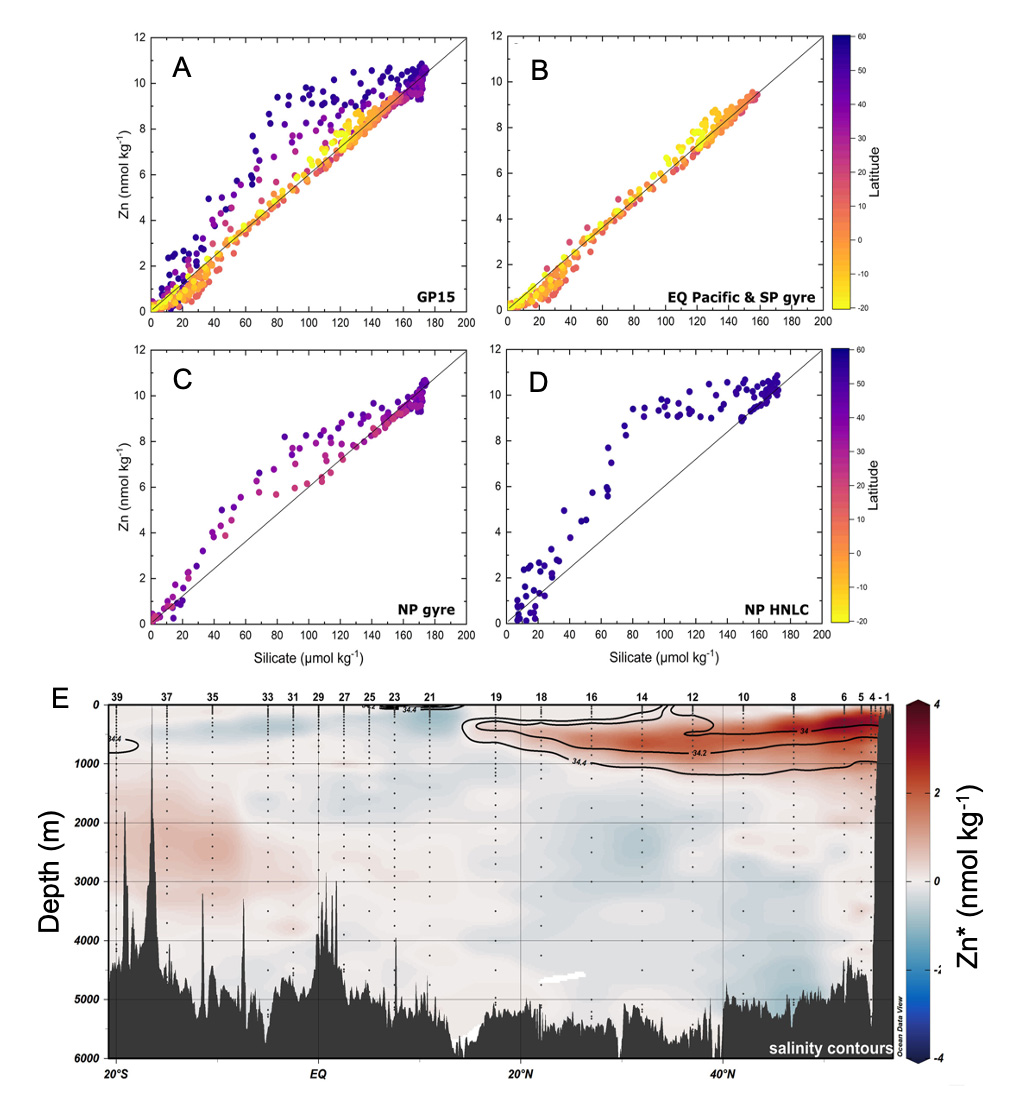
Sieber and his colleagues lift the veil on some of the mechanisms that control the behavior of zinc in the Pacific Ocean, and more globally.
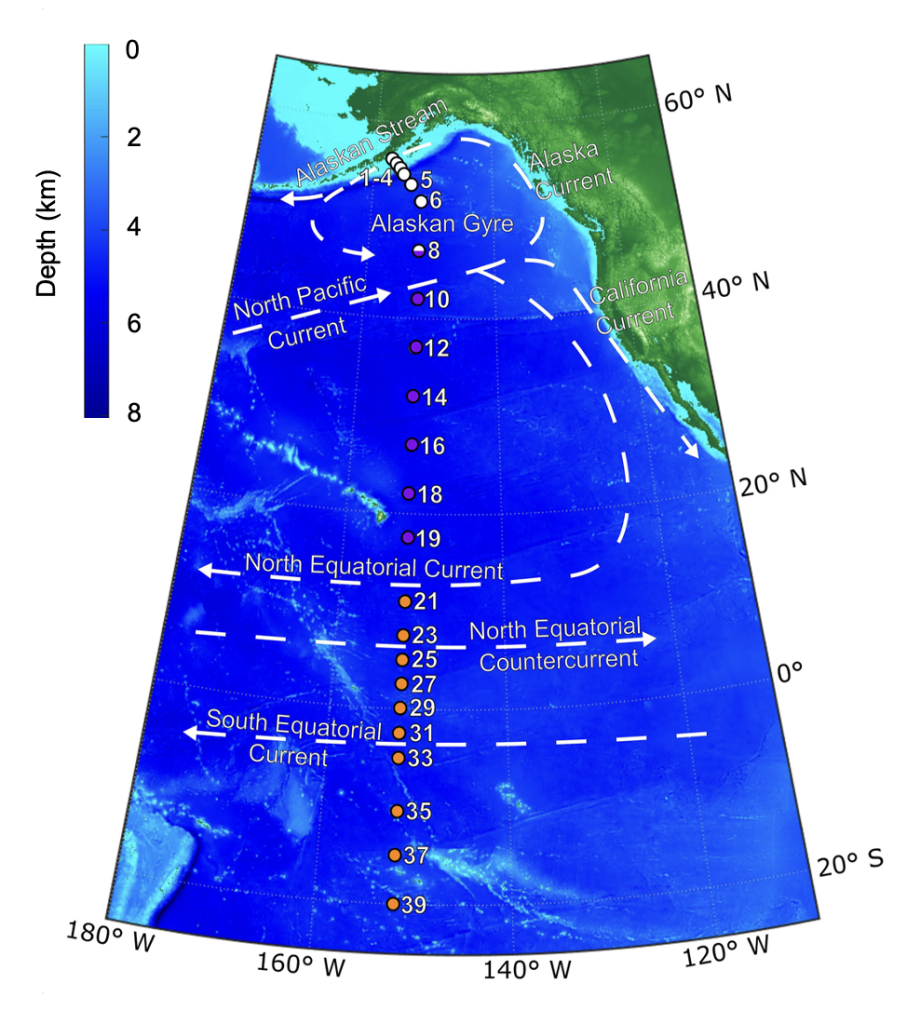
Sieber and his colleagues established the distribution of dissolved cadmium concentrations and isotopes in a section extending from Alaska to Tahiti.
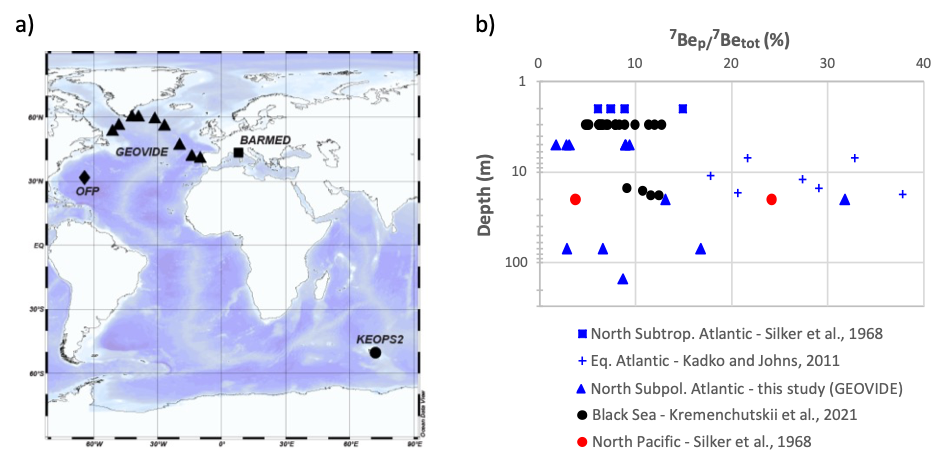
This work questions the validity and limits of the hypothesis that particulate beryllium-7 can be neglected in the oceanographic applications of this tracer.
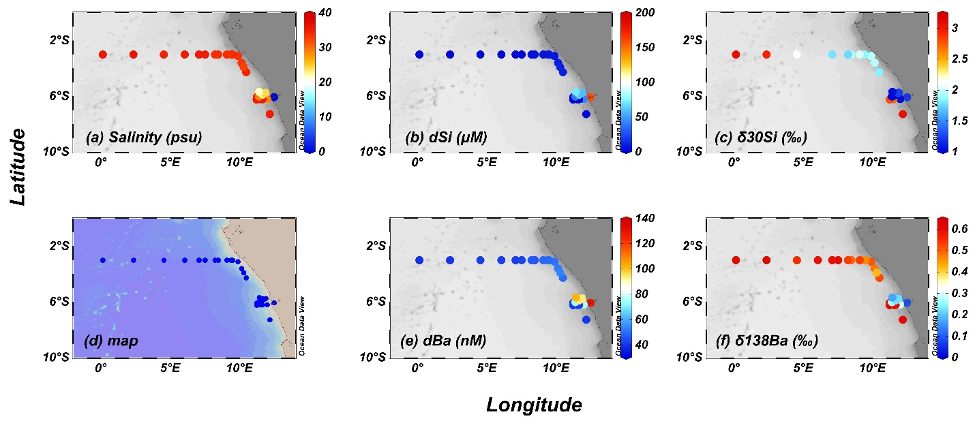
Zhang and co-authors conducted a comprehensive study to investigate the biogeochemical cycles of barium and silicon and their relationship…
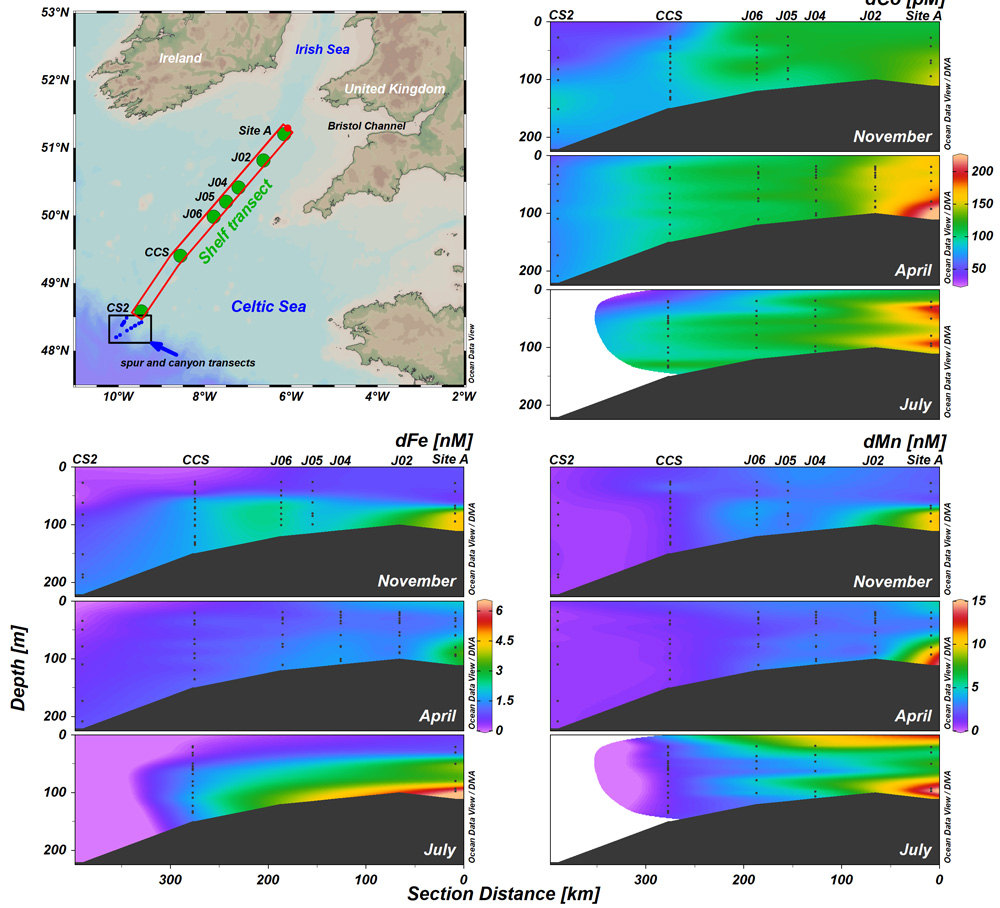
Chen and co-authors propose a detailed study of the spatial and seasonal distributions of dissolved iron, manganese and cobalt in the Northeast Atlantic continental margin.
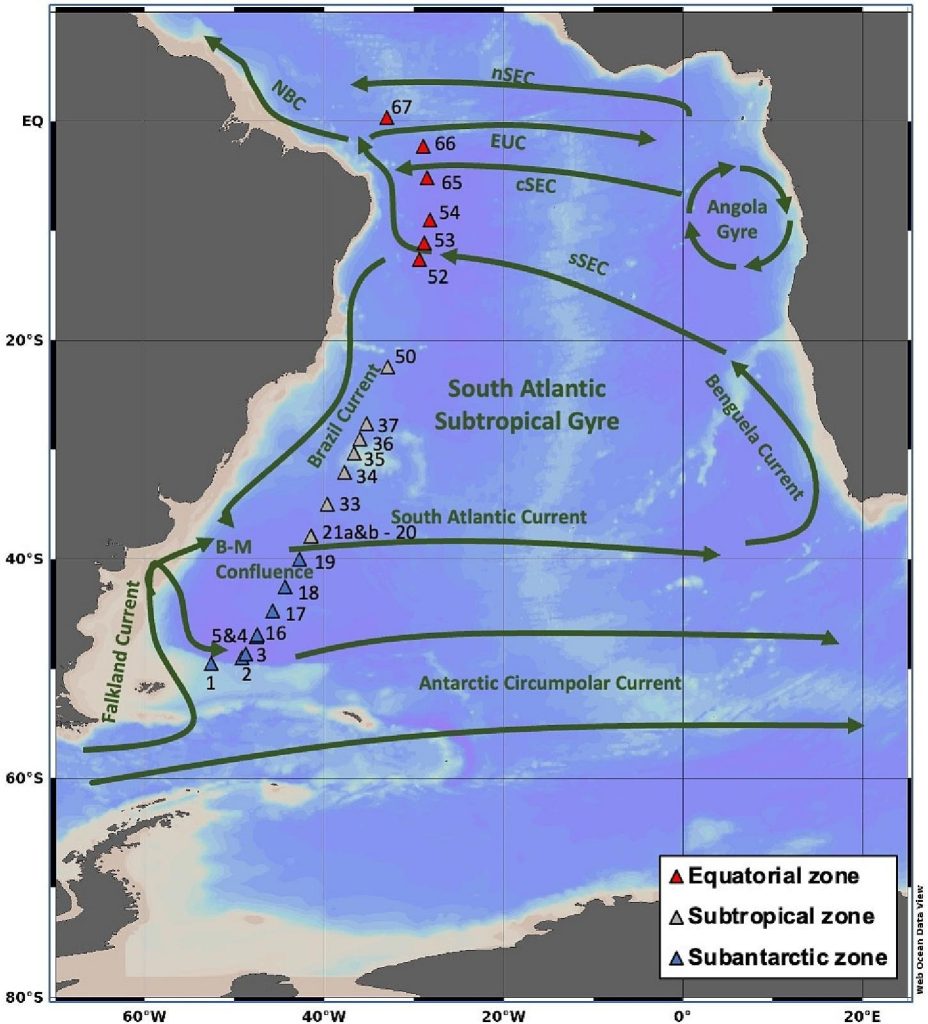
This study reveals that the mean lead concentrations in the surface waters of the western South Atlantic Ocean decreased by 34 % between the 1990s and 2011.
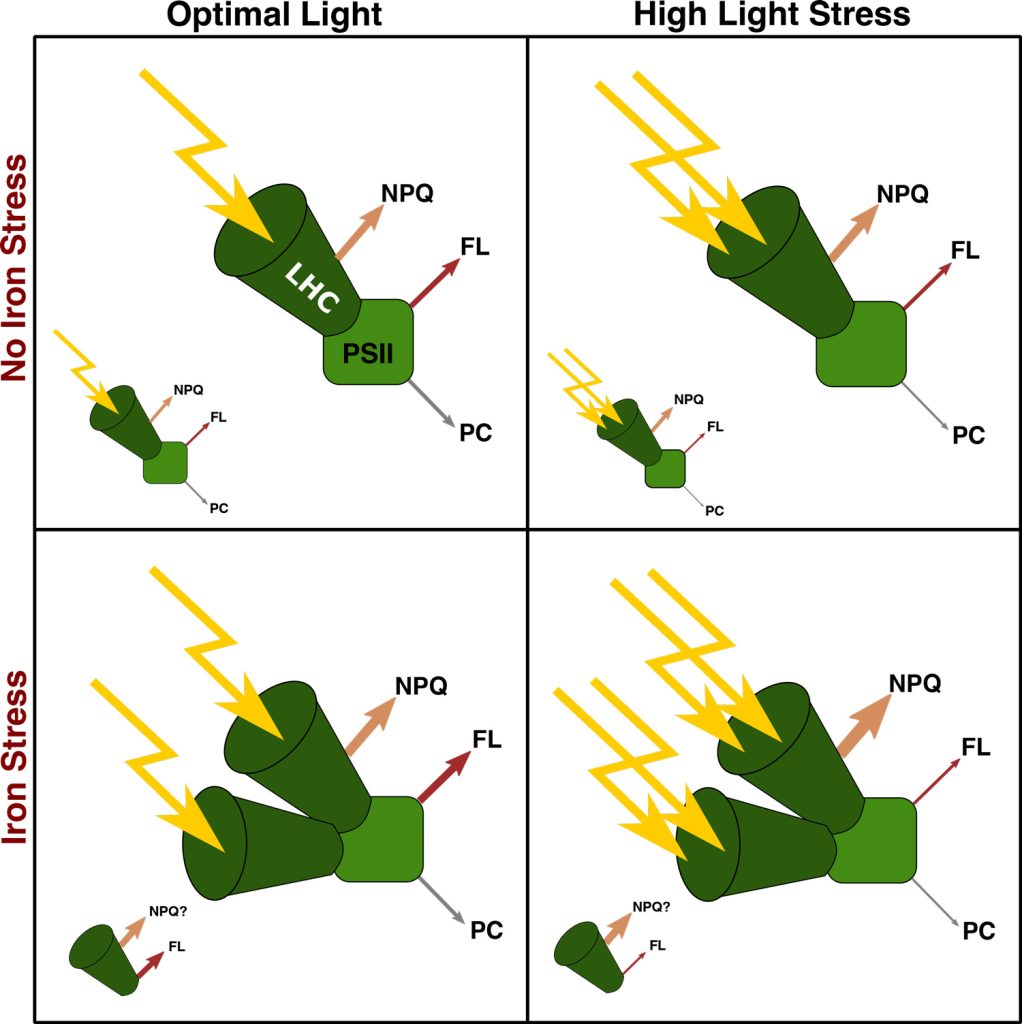
Ryan-Keogh and his colleagues used NPQ to fingerprint the photo-physiological response of phytoplankton to their environment.
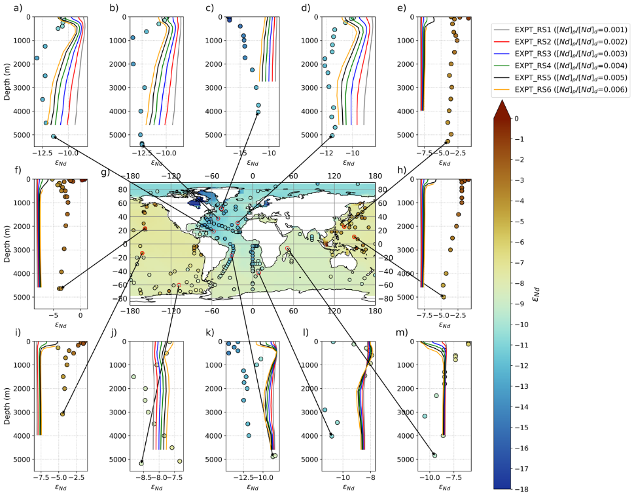
The conclusion of this study reinforces the important role of the solid particles in driving the neodymium oceanic cycle.
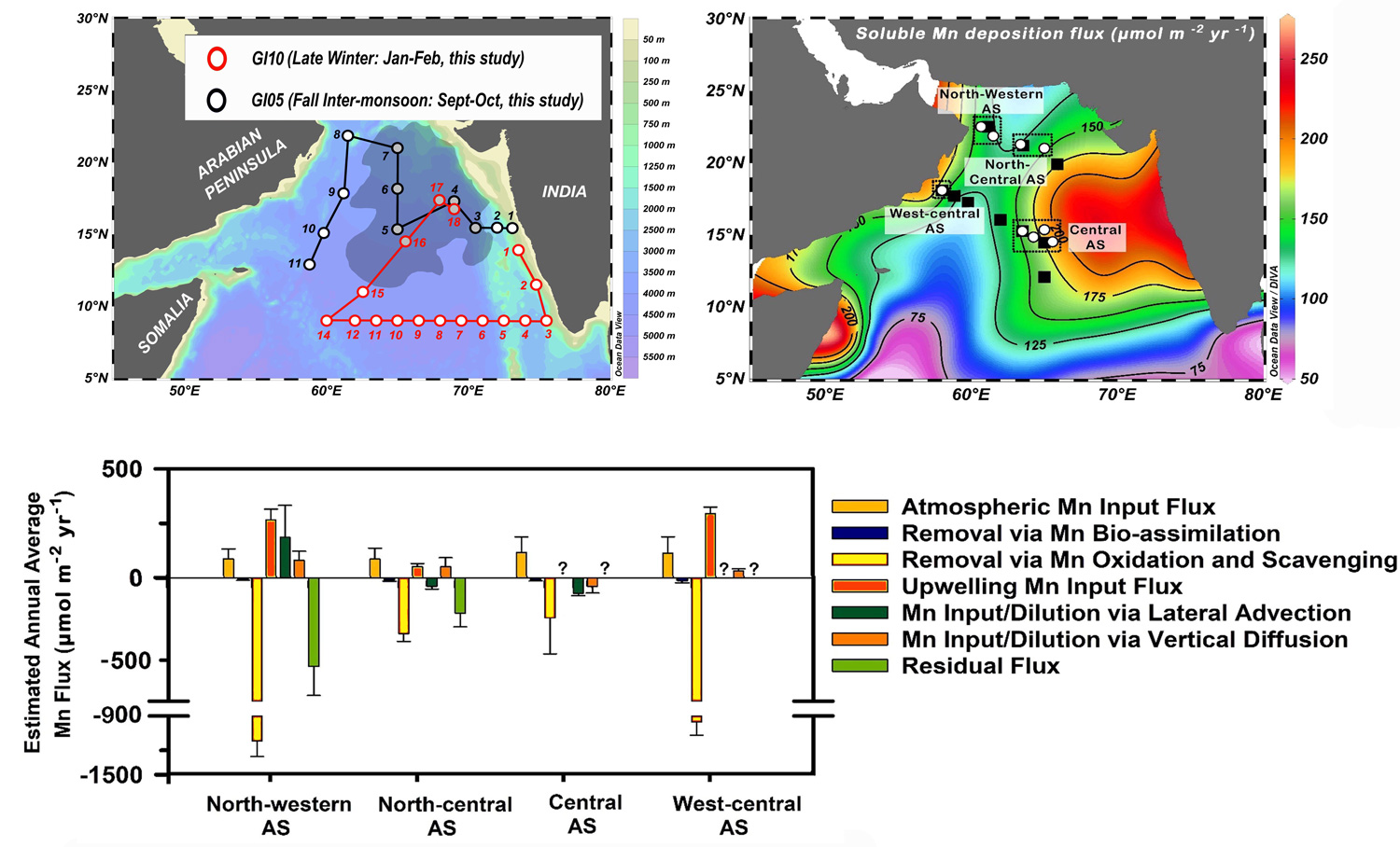
Analysis of dissolved manganese on samples collected on GEOTRACES cruises allowed Singh and colleagues to establish its basin-wide distribution in the Arabian Sea.