
Australian COOKIES process study expedition underway in the Southern Ocean
The Australian COOKIES (Cook Ice Shelf Ecosystems and Sediments) expedition aboard the Research Vessel (RV) Investigator departed Hobart on January 2, 2026, and will return to port on January 26, 2026, after 55 days exploring the Cook Ice Shelf marine region in East Antarctica.
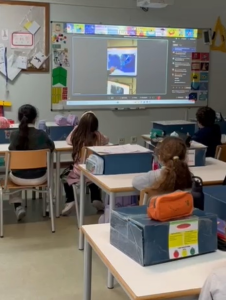
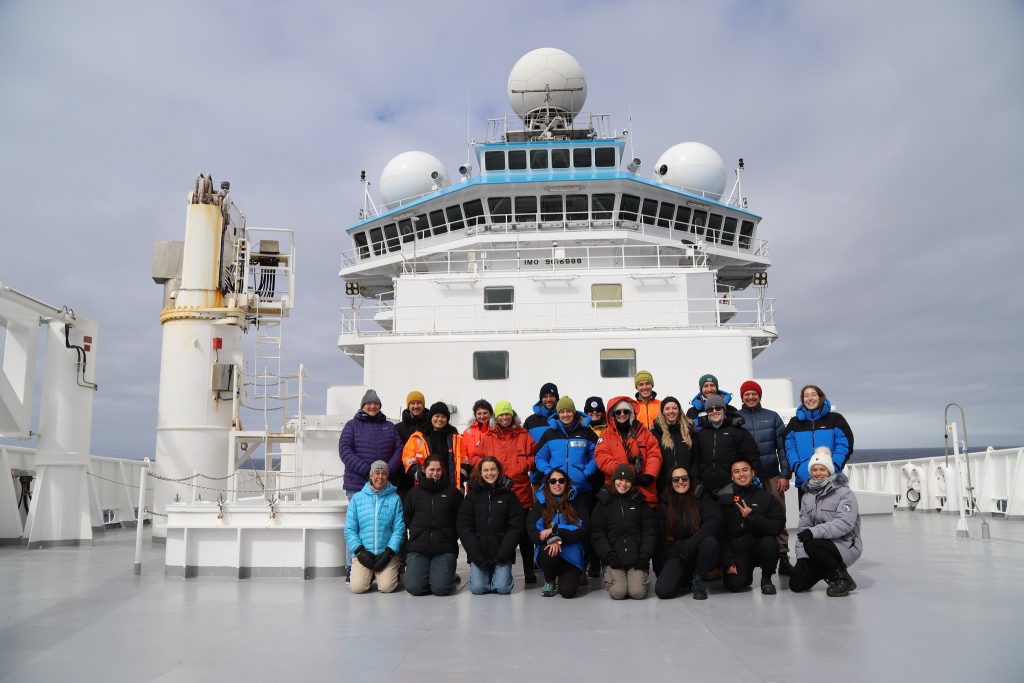
Onboard is a multidisciplinary team of international scientists, led by Chief Scientist Linda Armbrecht (University of Tasmania, UTAS and the Institute of Marine and Antarctic Studies, IMAS), representing six countries: Australia, Norway, Italy, the UK, and the USA. Specifically, educational outreach will be provided by Sea2SchoolAU, bringing Antarctic science into classrooms (more information here).
The Cook Ice Shelf is emerging as one of the most climate-sensitive regions of Antarctica, yet it remains one of the least studied. Recent modelling studies suggest it could lose approximately 14 gigatonnes of ice per year over the next 200 years. This is particularly significant because the ice shelf drains a large portion of the Wilkes Subglacial Basin, which contains enough ice to substantially affect global sea levels. Without direct observations, scientists cannot accurately assess how sensitive this region is to warming oceans and climate change.
The COOKIES study will fill this knowledge gap by collecting data to build a complete picture of the region, from surface waters to the deep ocean. Scientists will map the seafloor, collect long sediment cores, sample seawater, measure ocean temperature and currents, and deploy cameras and instruments to study life on the seafloor.
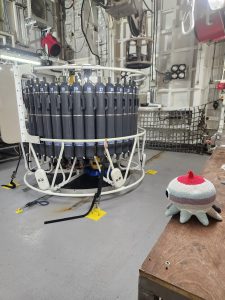
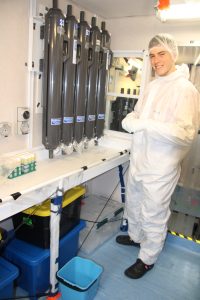
A key component or this research is the work of the team of GEOTRACES scientists, led by Taryn Noble (IMAS, UTAS), which will study the sources of trace elements (Fe, Zn, and others) on and off the continental shelf of the Mertz and Cook Glacier region. They aim to quantify dissolved trace metal fluxes across different sediment types (carbonate, opal, glaciogenic) along the Southern Ocean frontal gradient. On the continental shelf, depending on sea ice, they will compare benthic trace metal fluxes on the eastern and western sides of the Cook Ice Shelf. This is important as a benthic source of trace metals may be significant on the Antarctic continental margin where ice shelf meltwater pumping facilitates sediment-sourced trace metal supply to the photic zone.
With these data, the study aims to:
1. characterise marine ecosystem composition of the Cook Glacier marine region throughout the past and into the present, focussing on warming periods throughout the last 1 million years,
2. assess relationships of benthic biodiversity and population genetic signatures with productivity and ice-sheet history, and
3. determine the geological and palaeoceanographic conditions that may have influenced the spatial distribution of the Cook region marine life.
This research is supported by a grant of sea time on RV Investigator from the CSIRO Marine National Facility.
Follow the expedition through:
*the Australian Centre for Excellence in Antarctic Science blog
*Sea2SchoolAU Facebook, Instagram, LinkedIn
*and the CSIRO Voyage (IN2026_V01) Page
Sources: GEOTRACES Process Study application, COOKIES blog and Sea2SchoolAU social media posts.